Private Testosterone Blood Test Birmingham: Symptoms, Results and Next Steps
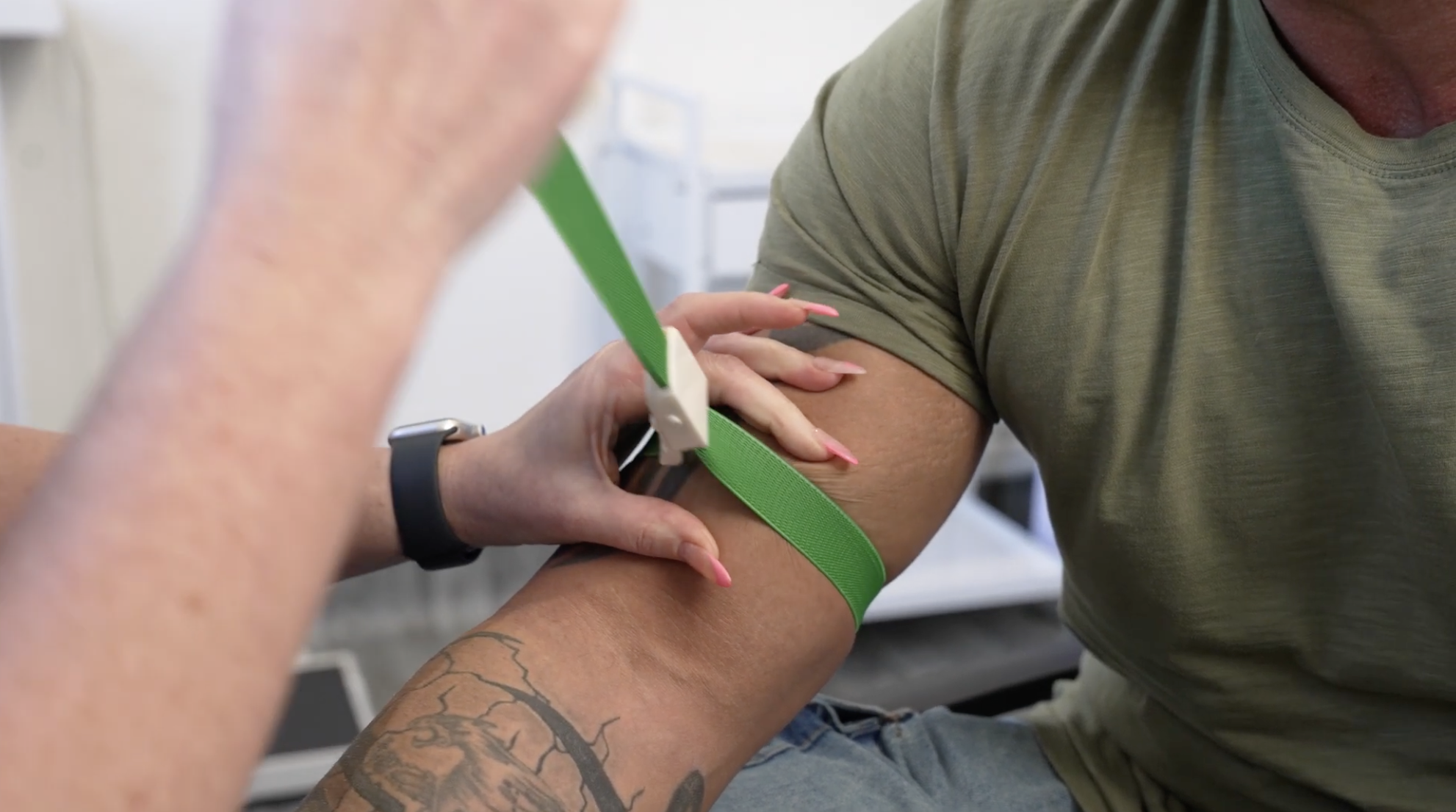
Feeling unusually tired, noticing a change in your sex drive or struggling with strength, motivation or concentration can understandably make you wonder whether your testosterone levels have changed.
For some men, testosterone deficiency can be part of the explanation.
For many others, however, these symptoms can also be caused by sleep problems, stress, medication, thyroid conditions, diabetes, nutritional deficiencies or other health issues. That is why a testosterone blood test is most useful when it forms part of a proper medical assessment rather than being interpreted as an isolated number.
A private testosterone blood test in Birmingham can provide a clearer picture of your hormone health, particularly when the blood sample is taken at the right time and interpreted alongside your symptoms, medical history and other relevant biomarkers.
At Complete Clinical Care in Edgbaston, Birmingham, men like you can access personalised hormone testing on its own, or as part of a broader men's health assessment. It’s not just testosterone we look at, we review additional markers such as SHBG, LH, FSH in combination with your testosterone to give us a full overview of your situation.
This guide explains when a testosterone test may be useful, how to prepare for the blood test, what the results can mean and what usually happens if your level comes back low.
Why Might You Need a Testosterone Test?
Testosterone is an important hormone involved in sexual function, muscle and bone health, energy, mood and several other areas of men's health.
You do not necessarily need your testosterone checked simply because you are getting older. Testing is most useful when there are symptoms or clinical reasons to suspect that testosterone may be lower than expected.
A doctor may consider hormone testing if you are experiencing changes such as:
Reduced sex drive
Erectile difficulties
Fewer spontaneous or morning erections
Persistent fatigue
Reduced strength
Changes in muscle mass
Low mood
Reduced motivation
Difficulty concentrating
Reduced exercise tolerance
Changes in general wellbeing
The NHS describes fatigue, low mood, reduced sex drive and erectile dysfunction among the possible symptoms of late-onset hypogonadism. However, it also emphasises that psychological, lifestyle and other medical factors can produce similar symptoms.
Low Testosterone Is Not the Only Possibility
This is one of the most important things to understand before ordering a testosterone test.
Imagine you have been feeling exhausted for six months.Your gym performance has fallen and you are sleeping poorly and your libido has decreased.
It is tempting to assume: “My testosterone must be low.”
But the same symptoms might also be influenced by:
Iron deficiency
Anaemia
Thyroid disease
Diabetes
Sleep deprivation
Obesity
Significant stress
Depression or anxiety
Alcohol
Certain medications
Overtraining
Acute or chronic illness
What Are the Symptoms of Low Testosterone?
Testosterone deficiency — sometimes called male hypogonadism — occurs when the body is not producing enough testosterone to maintain normal function.
Possible symptoms can affect several different areas.
Sexual Symptoms
Changes can include:
Reduced libido
Erectile difficulties
Reduced frequency of morning erections
Fertility difficulties
Sexual symptoms can sometimes be particularly useful clues, although they are still not specific enough to diagnose testosterone deficiency without blood testing.
Physical Symptoms
Some men notice:
Reduced exercise tolerance
Decreased strength
Loss of muscle mass
Increased tiredness
Reduced body or facial hair
Changes in body composition
Low testosterone over a prolonged period can also be associated with effects on bone health.
Mood and Cognitive Symptoms
Men may also describe:
Low mood
Irritability
Reduced motivation
Poor concentration
Memory difficulties
A general reduction in wellbeing
The difficulty is that these symptoms overlap enormously with stress, burnout, poor sleep and mental-health conditions, so the challenge lies in figuring out what is causing the symptoms.
What Does a Testosterone Blood Test Measure?
Total Testosterone
Total testosterone measures the testosterone circulating in your bloodstream, including testosterone that is bound to proteins.
It is usually the first measurement used when investigating suspected testosterone deficiency.
If total testosterone is clearly within an expected range and your clinical picture does not suggest hormone deficiency, further hormone investigation may not be necessary.
If the result is low or borderline, your doctor may need more information.
SHBG
SHBG stands for sex hormone-binding globulin.
It is a protein that binds to testosterone in the blood.
Because SHBG affects how much testosterone is bound and how much is available to tissues, changes in SHBG can influence how a total testosterone result should be interpreted.
This means two men with similar total testosterone levels can potentially have different amounts of available testosterone.
Free Testosterone
Free testosterone refers to testosterone that is not bound to SHBG.
In UK clinical practice, calculated free testosterone may be useful when total testosterone is borderline or when there is reason to suspect that SHBG is unusually high or low. Calculation commonly uses total testosterone, SHBG and albumin.
LH and FSH
Luteinising hormone — LH — and follicle-stimulating hormone — FSH — are produced by the pituitary gland.
They help regulate the testes.
If testosterone is genuinely low, looking at LH and FSH can help the clinician understand whether the problem may relate primarily to the testes or to the signalling system involving the pituitary and hypothalamus.
Prolactin and Other Hormones
Depending on your results and symptoms, your clinician may consider additional tests such as:
Prolactin
Thyroid function
Oestradiol
Full blood count
HbA1c
Liver and kidney function
Cholesterol
Iron studies
These tests are not automatically required for every man.
They are selected according to what your doctor is trying to investigate.
Our personalised blood-testing service currently offers testosterone alongside SHBG, LH, FSH, prolactin and numerous wider health markers, allowing testing to be tailored to the clinical question.
When Should Testosterone Be Tested?
Testosterone does not remain at exactly the same level throughout the day.
In men with a typical sleep pattern, levels are generally higher earlier in the day. UK endocrine guidance therefore recommends using a morning, ideally fasting sample when investigating possible testosterone deficiency. Testing should also preferably take place when you are not acutely unwell.
A commonly recommended window is approximately 7am to 11am.
That means having testosterone checked late in the afternoon after poor sleep, a large meal or during an acute illness may make the result more difficult to interpret.
Why One Test May Not Be Enough
Testosterone levels can also vary from one day to another, for that reason, testosterone deficiency should not normally be diagnosed from a single unexpectedly low result.
UK endocrine guidance recommends confirming a low result with another morning measurement. Specialist guidance generally recommends at least two measurements before diagnosing testosterone deficiency.
That can feel frustrating if you were hoping for a simple yes-or-no answer, but repeating the test helps avoid treating a temporary fluctuation as a long-term hormone disorder.
How to Prepare for Your Testosterone Blood Test
You do not need to dramatically change your routine before a testosterone test, however, there are a few things worth getting right:
Aim for a Morning Appointment
For most men, particularly those with a conventional sleeping pattern, arranging the blood test in the morning produces the most clinically useful result.
Follow Fasting Instructions
Your clinician or laboratory may recommend fasting before the test. If so, follow the instructions you are given about eating and drinking.
Try to Get a Normal Night's Sleep
Restricted sleep can influence testosterone levels. If you have had an unusually bad night, tell the clinician interpreting your result.
Avoid Testing During Acute Illness Where Possible
Testosterone can fall temporarily when you are acutely unwell. If you are recovering from significant illness, it may be more useful to wait until you have recovered unless your clinician advises otherwise.
Tell Your Doctor About Medication and Supplements
Bring details of:
Prescription medicines
Supplements
Hormonal products
Anabolic steroids
Testosterone you are already taking
These can materially affect how results should be interpreted.
Tell the Clinician If You Work Shifts
Night-shift workers do not necessarily follow the same morning testosterone pattern because hormone variation is closely linked to sleeping patterns.
Testing and interpretation may therefore require a more individual approach.
Understanding Your Testosterone Results
This is often the point where online testing becomes confusing.
Your laboratory report may show:
Testosterone: X nmol/L
followed by a reference range.
It can be very tempting to decide:
Green = fine.
Red = testosterone deficiency.
Medicine is rarely that simple.
A Reference Range Is Not a Diagnosis
Laboratory methods and reference ranges can vary.
Your clinician needs to consider the result alongside:
Your symptoms
Your age
The time the blood was taken
Whether you were fasting
Whether you were unwell
SHBG
Medication
Relevant health conditions
Previous results
NHS laboratory guidance specifically notes that testosterone assays and reference ranges can differ, which is another reason the result should be interpreted in its clinical context.
What Does a Low Result Mean?
A low testosterone result may indicate testosterone deficiency.
But the first question should actually be:
Is it genuinely and persistently low?
A second morning test may therefore be required.
If the result remains low, your clinician can begin working out why.
What Does a Borderline Result Mean?
A borderline result can require a little more detective work.
Your clinician may look at SHBG and calculate free testosterone.
This can be particularly useful when the total testosterone level does not seem to match the symptoms.
What Does a Normal Result Mean?
A normal testosterone result does not mean your symptoms are imaginary.
It simply means testosterone may not be the explanation.
The sensible next question becomes:
What else could be causing them?
That’s where broader assessment may be required.
What Happens If Your Testosterone Is Low?
A low result is the beginning of an investigation, not automatically the beginning of testosterone treatment.
Your doctor will usually want to determine whether the result is persistent and understand what might be causing it.
Step 1: Confirm the Result
A repeat morning test may be arranged.
This helps establish whether the first low level represented a genuine pattern.
Step 2: Look at LH and FSH
If testosterone remains low, LH and FSH can help distinguish different patterns of testosterone deficiency.
Broadly, the clinician is asking whether the testes are receiving an appropriate hormonal signal and whether they are responding to it.
Step 3: Look for Potentially Reversible Causes
Factors that may influence testosterone include:
Obesity
Metabolic conditions
Poor sleep
Significant illness
Certain medications
Excessive alcohol
Severe calorie restriction
Other hormonal problems
This matters because treating the underlying problem may sometimes improve testosterone without requiring hormone replacement.
Step 4: Consider Additional Investigation
Depending on the pattern of results, other investigations may be appropriate.
These could include:
Prolactin
Thyroid testing
Iron studies
Other pituitary hormones
Metabolic testing
Specialist endocrine assessment
More unusual or severe hormone abnormalities may require specialist referral or imaging.
What If Your Testosterone Is Normal?
This can actually be extremely useful information.
If testosterone looks appropriate, your doctor can direct the investigation elsewhere rather than treating something that is unlikely to be the cause.
For example, persistent fatigue might prompt consideration of:
Anaemia
Iron deficiency
Vitamin B12 or folate deficiency
Vitamin D
Thyroid function
Diabetes
Sleep apnoea
Stress or burnout
Depression
Medication side effects
Erectile problems may also have cardiovascular, psychological, medication-related or metabolic causes. Low libido can be influenced by sleep, stress, relationships, mental health and medication.
What Happens Before Testosterone Treatment?
If repeated blood tests and your clinical assessment support a diagnosis of testosterone deficiency, treatment may be discussed.
But there are several things your clinician needs to consider first.
Your Wider Health
Before testosterone therapy is started, assessment may include your:
Cardiovascular health
Blood pressure
Full blood count and haematocrit
Prostate health where appropriate
Existing medication
Sleep and lifestyle
Relevant medical conditions
Testosterone therapy also requires ongoing monitoring rather than simply issuing a prescription indefinitely. Specialist guidance recommends reviewing symptoms and testosterone levels and monitoring areas such as haematocrit and prostate health where clinically relevant.
Your Fertility Plans
External testosterone can suppress the hormonal signals involved in sperm production. If you would like children now or in the future, make sure you tell your clinician before beginning testosterone therapy. Your fertility goals can affect which treatment approach is most appropriate.
Treatment Is Not Based on Symptoms Alone
Feeling tired or having low libido does not automatically mean you need testosterone. Likewise, one mildly low blood result is not enough on its own, the diagnosis should be based on persistent symptoms plus consistently low testosterone measurements, with further assessment used to establish the likely cause.
Private Testosterone Testing at Complete Clinical Care
We offer private men's health consultations and personalised blood testing from our clinic at 38 Harborne Road, Edgbaston, Birmingham, B15 3EB.
Our men's health service is designed to provide a discreet environment for concerns including:
Low energy
Reduced libido
Erectile difficulties
Changes in mood
Reduced strength
Hormone concerns
Urinary symptoms
Preventative men's health
Consultations start from £99. Our clinician will review your symptoms, medical history, medication and lifestyle before deciding what test and investigations are right for you.
Personalised Testosterone Testing
If testosterone testing is appropriate, CCC can arrange personalised blood testing rather than relying on a one-size-fits-all panel.
Depending on your situation, testing may include:
Total testosterone
SHBG
Free testosterone where appropriate
LH
FSH
Prolactin
Oestradiol
Thyroid function
Full blood count
HbA1c
Cholesterol
Liver and kidney markers
Not every patient will need every marker, but the aim is to select the tests that are most useful for your symptoms and clinical history.
Our Hormonal Health Blood Tests are £170, and include the option to select additional biomarkers to personalise your blood test (additional fees apply to additional markers). If you have any questions about what blood test or biomarkers are right for you, please feel free to get in contact with us via: hello@completeclinicalcare.co.uk
Book a blood test appointment with us here: Book Blood Test