
Low Testosterone, Energy and performance - What’s normal and what isn’t.
As a GP who has spent nearly 30 years looking after men in the NHS and private practice, I hear the same question every week:
“Doctor… could it be low testosterone?”

Usually it comes with a familiar story:
You feel exhausted all the time
Your motivation has dropped
Your mood feels flatter
Your gym performance is down
Your libido is not what it used to be
You are gaining weight despite “doing everything right”
You feel less like yourself
Sometimes the answer is yes.
But very often… it is more complicated than that.
And this is where many men get into trouble.
I increasingly see men ordering online blood tests, self-diagnosing low testosterone, starting supplements, buying testosterone privately, or taking advice from social media, forums, or the gym changing room.
Then the panic starts.
A blood result comes back “out of range.”
A testosterone level looks “low-normal.”
A liver test is raised.
A blood count is too high.
Another hormone is “suppressed.”
And suddenly they stop medication abruptly, start random supplements, or convince themselves something serious is wrong.
The truth?
Blood tests only tell part of the story.
At Complete Clinical Care, we help men understand the full picture, without judgement, without scare tactics, and without rushing into treatment.

Why “Normal” Does Not Always Mean “Optimal”
One of the biggest misunderstandings around testosterone is this:
A result can sit within the “normal” lab range and you can still feel awful.
Or…
A result can sit outside the range and not necessarily be dangerous.
Blood results must be interpreted in context:
Your age
Your symptoms
Your body composition
Your sleep
Your stress levels
Your medications
Your supplement use
Your training intensity
Your alcohol intake
Your family history
Your fertility goals
The timing of the blood test
A man with a “normal” testosterone level who sleeps 4 hours a night, works 70-hour weeks, and drinks heavily may not need testosterone.
He may need sleep, stress management, and a lifestyle reset.
Equally, a fit 32-year-old with symptoms and a low level may need proper investigation.
This is why context matters
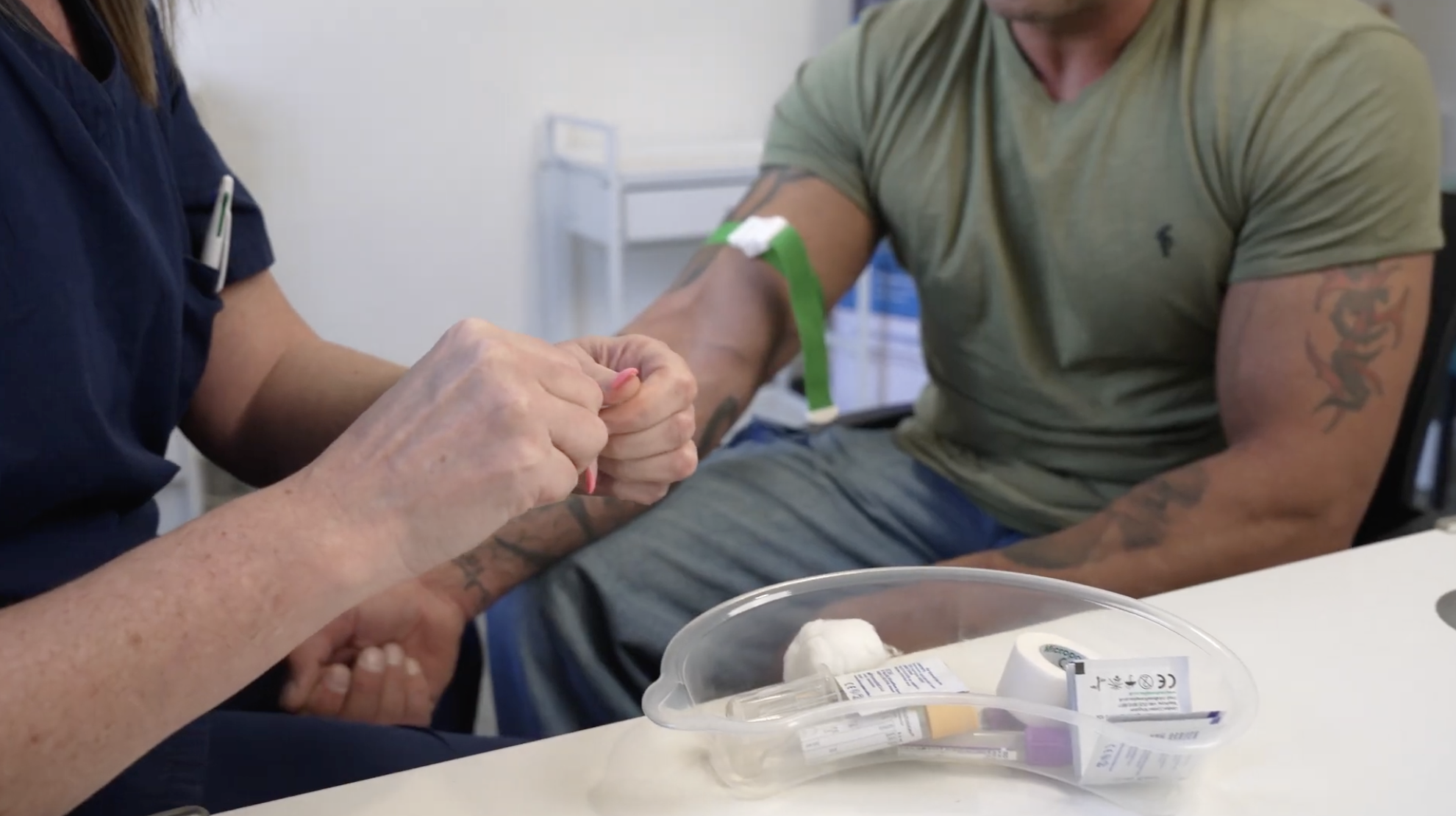
The Importance of a Baseline Blood Test
Before starting any hormone treatment or supplements, a proper baseline blood test is one of the most valuable things you can do.
It helps us understand:
Where your natural hormones sit
Whether your symptoms are hormonal at all
Whether there are signs of thyroid issues, anaemia, diabetes, or inflammation
Whether treatment is safe
Whether there are underlying risks already present
At CCC, we often assess:
Testosterone (total and free where appropriate)
SHBG (Sex Hormone Binding Globulin)
LH and FSH
Oestradiol
Prolactin
Full blood count / haematocrit
Liver and kidney function
Cholesterol
HbA1c / diabetes risk
Thyroid function
PSA where appropriate
Without a baseline, it becomes difficult to know whether changes are caused by:
the treatment
your body
your lifestyle
or another medical issue.

What Is SHBG — and Why Does It Matter?
This is one of the most Googled terms after men receive their blood tests.
SHBG (Sex Hormone Binding Globulin) is a protein made mainly by the liver.
Think of it like a taxi service for hormones.
It binds to testosterone and carries it around your bloodstream.
Only the “free” or unbound testosterone is biologically active.
So you may have:
normal total testosterone
but low free testosterone
…or the opposite.
SHBG can be affected by:
stress
illness
liver health
obesity
insulin resistance
medications
thyroid disorders
This is why looking at one testosterone number alone can be misleading.

Why Testosterone Can Be Low… Even If You’re Taking It
This surprises many men.
If you take external testosterone, your brain often senses enough hormone and stops sending signals to your testes.
This reduces your own production.
This can suppress:
LH
FSH
sperm production
fertility
In some men, poor dosing, poor timing, or inconsistent use can mean they still feel low.
This is often called “suppression” or “functional suppression.”
It does not necessarily mean your body is “broken.”
It means the hormonal feedback system has changed.
Other things that worsen this include:
stress
illness
poor sleep
alcohol
obesity

High Testosterone Is Not Always Better
Another myth I see regularly:
“Higher testosterone means I’ll feel better.”
Not always.
I often see men with testosterone levels far above the normal physiological range who still feel:
tired
anxious
irritable
flat
breathless
unwell
And they may have side effects such as:
raised haematocrit (thicker blood)
headaches
acne
mood swings
high blood pressure
sleep issues
liver strain
fertility suppression
testicular shrinkage
Sometimes men panic when they see abnormal results and ask:
“Do I need to stop treatment immediately?”
The answer depends, but this is where calm, personalised advice really matters.
Stopping treatment suddenly can cause:
fatigue
low mood
hormone crashes
anxiety
worsening symptoms
Sometimes the safest option is:
reducing the dose
adjusting the frequency
switching the formulation
pausing temporarily
considering post-cycle therapy
or simply monitoring closely
It is rarely one-size-fits-all.
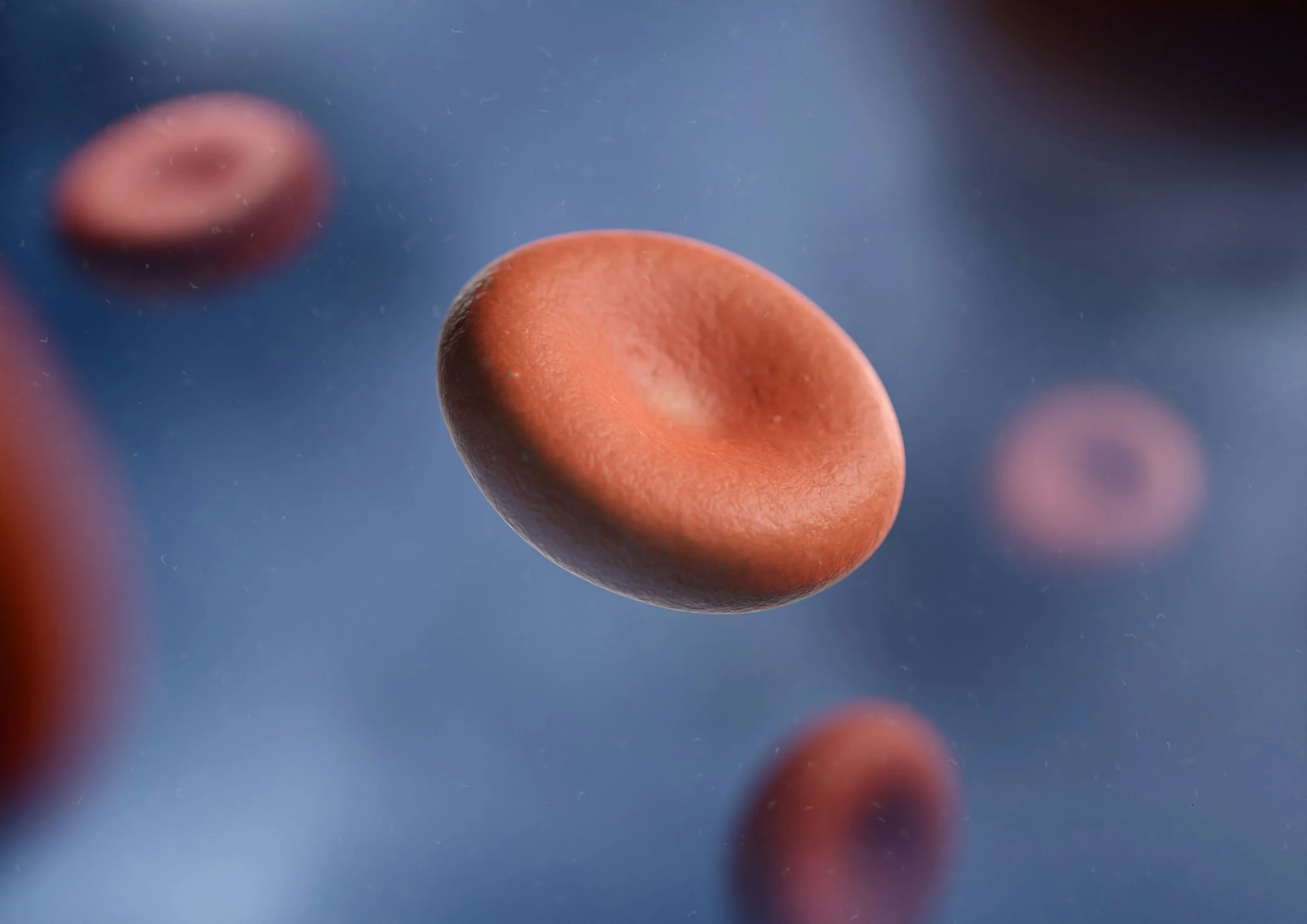
The Hidden Risk: Raised Haematocrit
One of the most important blood results to monitor on testosterone is your haematocrit.
This measures how “thick” your blood is.
If it rises too high, the risk of clotting or cardiovascular issues can increase.
In some cases, men may need:
dose reduction
temporary cessation
hydration advice
urgent review
or occasionally venesection
This is why blood monitoring matters.

Fertility Impact Matters
This is a conversation many young men are not having.
External testosterone can reduce or stop sperm production, so if you are considering children now or in the future, you should consider shaping your treatment plan around this.
I often see men in their 20s and 30s shocked by this, but an honest conversation early can avoid major problems later.

The Biggest Mistake Men Make
The biggest mistake I see is reacting emotionally to one isolated blood test.
Stopping treatment suddenly.
Starting random supplements.
Doubling a dose.
Panicking because one number is “red.”
Slightly abnormal results do not always mean something dangerous.
Equally, “normal” results do not always mean all is well.
This is why interpretation matters.
Medicine is not just about numbers, it’s about understanding you as an individual.
Your body.
Your goals.
Your risks.
Your symptoms.
Your history.

At CCC, We Take a Balanced, Non-Judgemental Approach
Whether you are:
worried your testosterone is low
already on TRT
using supplements
taking anabolic steroids
experiencing side effects
struggling with fatigue or low libido
or simply wanting a health check
—we are here to help.
No judgement, just honest and experienced advice.
Our consultations are focused on:
✔ Understanding your symptoms
✔ Reviewing your current medications and supplements
✔ Looking at your bloods in context
✔ Exploring safer options
✔ Helping you optimise naturally where possible
✔ Supporting you if treatment is appropriate
📍 Book an appointment with us
Book Here
Because the goal is not just “normal.”
The goal is to feel well, stay safe, and make informed decisions about your health.
